
Blogs
-
How stress affects our digestive system and our hormones


Stress is everywhere in our society, especially with snap lock downs and boarder closures along with the pressure to be vaccinated (I'm not anti vax) but I am seeing so much stress in regards to this with my clients and people that I meet. This is triggering so many emotions - sadness, grief, anxiety and anger.
-
Are you wanting beautiful skin this winter?


Our skin is our largest organ and protects our internal organs from environmental toxins. The appearance of our skin is important especially for our self esteem, if you are suffering from acne, eczema or dermatitis this can cause added stress and can make these conditions worse. Psoriasis is an autoimmune condition of the skin.
The cooler months can cause these conditions to worsen as the dry winds outside combined with warm rooms and/or electric blankets aren't kind to our skin. We also need to be mindful about what we apply to our skin as it is absorbed into our lymphatic system, blood stream and digestive system. Our endocrine system and hormones can be affected by what we put on our skin too.
The food that we eat and what we drink also affects our skin. Have you noticed a link to what you are eating and how your skin reacts?
-
Could you have Irritable Bowel Syndrome (IBS) or Small Intestinal Bacterial Overgrowth (SIBO)?

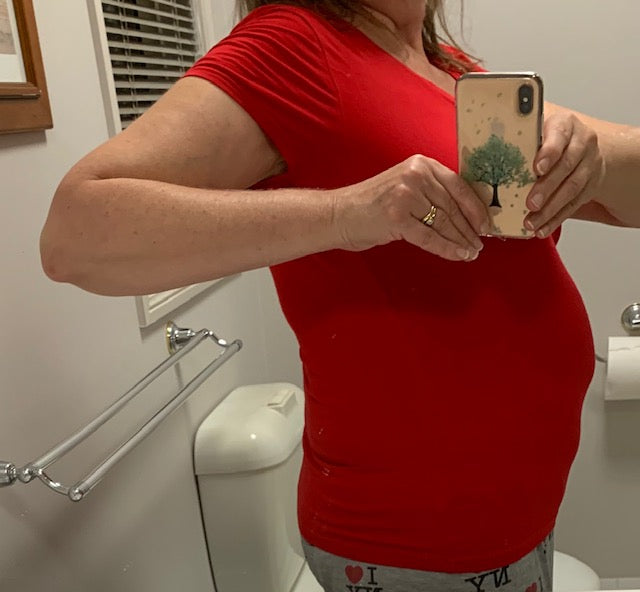
There are many common presenting symptoms that both irritable bowel syndrome (IBS) and small intestinal bacterial overgrowth (SIBO) have. These include - abdominal pain or cramping, bloating, constipation, diarrhoea or both, burping, flatulence, reflux and food sensitivities.
As a SIBO Naturopath I work with many people who have these symptoms as they have digestive issues. I find that it is important to be tested for SIBO, so that you are on the correct treatment plan as these symptoms are very common. Research has shown that 84% of people who have IBS and who do the SIBO Lactulose Breath Test (the most common one) test positive to SIBO.
-
What is Perimenopause?

 Perimenopause is the transitional phase leading up to menopause, typically beginning in a woman's 40s but sometimes starting earlier. It is characterised by hormonal fluctuations that can cause a variety of symptoms, including irregular menstrual cycles, hot flashes, night sweats, mood swings, and changes in sleep patterns. This period, which can last several years and marks the gradual end of a woman's reproductive years as the ovaries produce less estrogen. Understanding perimenopause is crucial for managing its symptoms and maintaining overall health and well-being during this significant life stage.


- Previous page
- Page 4 of 4